
Neurodivergence
-
No. Anyone can see me. If you've self-identified as neurodivergent, I believe you. I know how hard and expensive it can be to get a formal diagnosis.
-
No. We'll talk about variety only if it matters for your health, and any change is your choice.
-
Yes. I offer telehealth anywhere in Australia.
-
The first appointment (60 minutes) costs $180, and follow-ups (30 minutes) cost $110. If you have a GP referral, you may be able to claim a Medicare rebate. Ask your GP whether you're eligible.
-
Yes. Send me a message using the message box at the bottom of this page, and we can check whether I'm the right fit for you.
-
Tell me as early as you can. If you cancel with less than 24 hours’ notice, the full fee applies. I'm willing to move your time or switch you to telehealth instead.
Read more about my approach and how I work with children and teens.
Book below, send me a message using the message box at the bottom of this page, or email jack@barkdietetics.com.au.
Book An Appointment
Autism and ADHD dietitian in Kilsyth and online
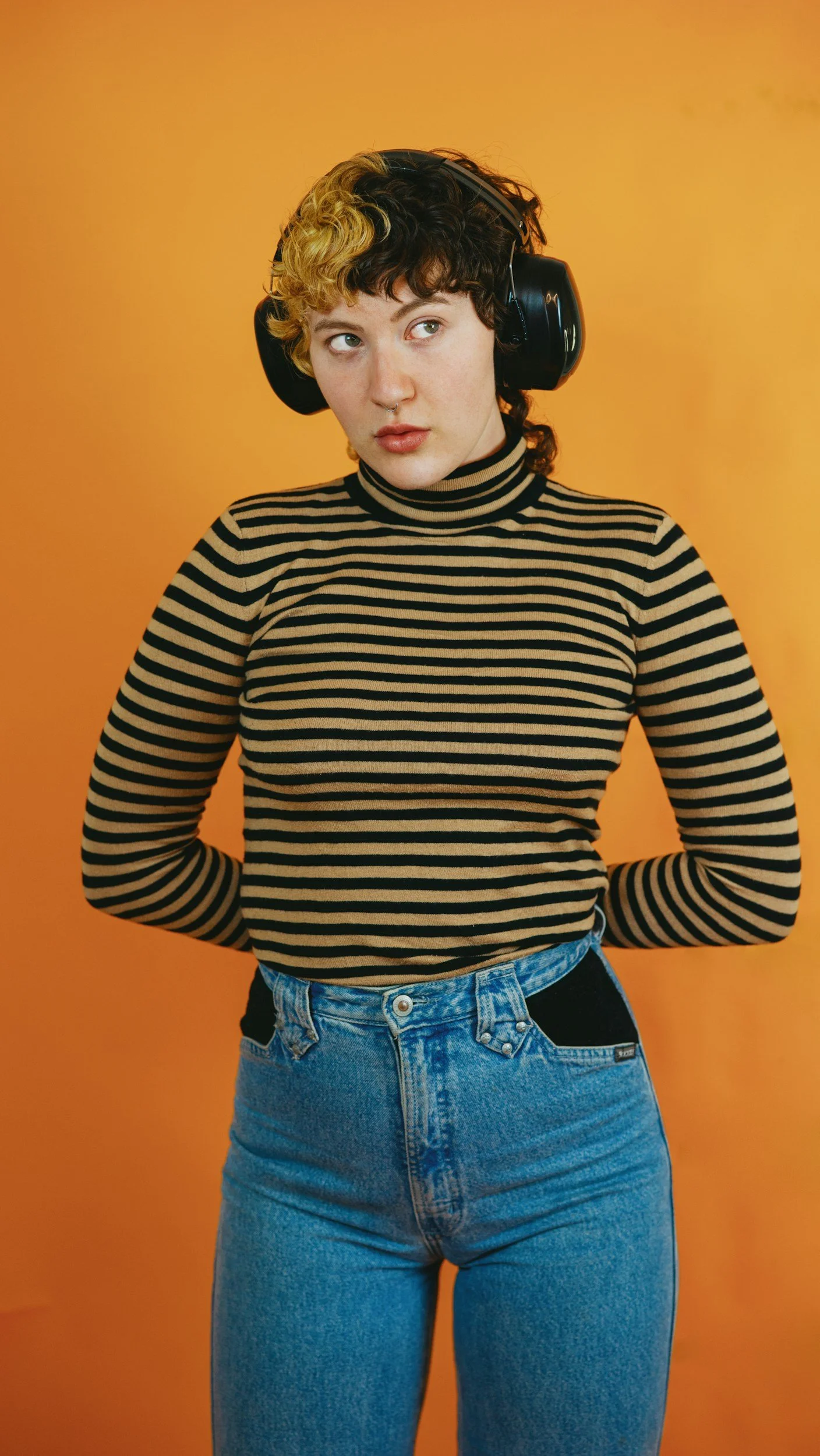
I'm Jack, a neurodiversity-affirming Accredited Practising Dietitian. I work with autistic people, ADHDers, and other neurodivergent people of all ages, in Kilsyth and by telehealth across Australia. You lead our sessions, and nothing about how you eat is judged.
Why neuro-affirming care matters
Autistic people and other neurodivergent people often deal with extra stress, anxiety and pressure every day, often just from living in a world that isn't built for them [1]. Many people I see are already at their limit by the time they reach me. My job is to support you, and I'll keep our sessions calm and low-pressure.
How I work
You guide the session. We talk about what matters to you, at a pace that suits you.
No judgement. Whatever and however you eat, it makes sense to me that there's a reason for it.
Your sensory needs come first. Taste, texture, smell, and the look of food can feel very strong for many neurodivergent people, both children and adults [2,3]. I take this seriously, and I won't push you towards foods or situations that feel uncomfortable.
If you eat a small range of foods
Many neurodivergent people eat a limited range of foods, often for sensory reasons [2,3]. First, I want to understand why your safe foods work for you. Then we check whether you're getting enough nutrients, because research in autistic children shows a very limited diet can lead to gaps in some vitamins and minerals [4].
If there's a risk to your health, we talk about it openly: what the risks are, and what reasons you might have to try more variety. Any change happens only if you choose it, and at your pace.
Making appointments easier
You can:
bring a support person
keep your camera off in telehealth sessions
get questions before the appointment, so you know what to expect
tell me about any other needs before the appointment, and we'll plan for them together
What a session looks like
The first appointment is 60 minutes. We talk about what's going well, what feels hard and what you'd like from our time together. You decide what we focus on, we go at a pace that suits you, and you can take breaks whenever you need to.
Follow-up appointments are 30 minutes. I see people in person in Kilsyth on Saturdays and Sundays, and by telehealth from Wednesday to Sunday.
The first appointment costs $180 and follow-ups cost $110.
Who I see
I see neurodivergent people from age 4 through to adulthood. People book with me for many reasons, including:
general health, such as diabetes, heart health or wanting to improve day-to-day habits
finding it hard to eat enough, for example forgetting meals or filling up quickly
trouble noticing hunger and fullness, which many autistic adults and ADHDers report [3]
a small range of safe foods
Frequently Asked Questions
Send a message and we’ll figure things out together.
References
Botha M, Frost DM. Extending the minority stress model to understand mental health problems experienced by the autistic population. Soc Ment Health. 2020;10(1):20-34.
Cermak SA, Curtin C, Bandini LG. Food selectivity and sensory sensitivity in children with autism spectrum disorders. J Am Diet Assoc. 2010;110(2):238-46.
Bayoumi SC, Halkett A, Miller M, Hinshaw SP. Food selectivity and eating difficulties in adults with autism and/or ADHD. Autism. 2025;29(6):1497-509. Available from: https://pmc.ncbi.nlm.nih.gov/articles/PMC12089672/
Sharp WG, Berry RC, McCracken C, Nuhu NN, Marvel E, Saulnier CA, et al. Feeding problems and nutrient intake in children with autism spectrum disorders: a meta-analysis and comprehensive review of the literature. J Autism Dev Disord. 2013;43(9):2159-73.